
December 20, 2024

Published by Tradition Online at December 20, 2024
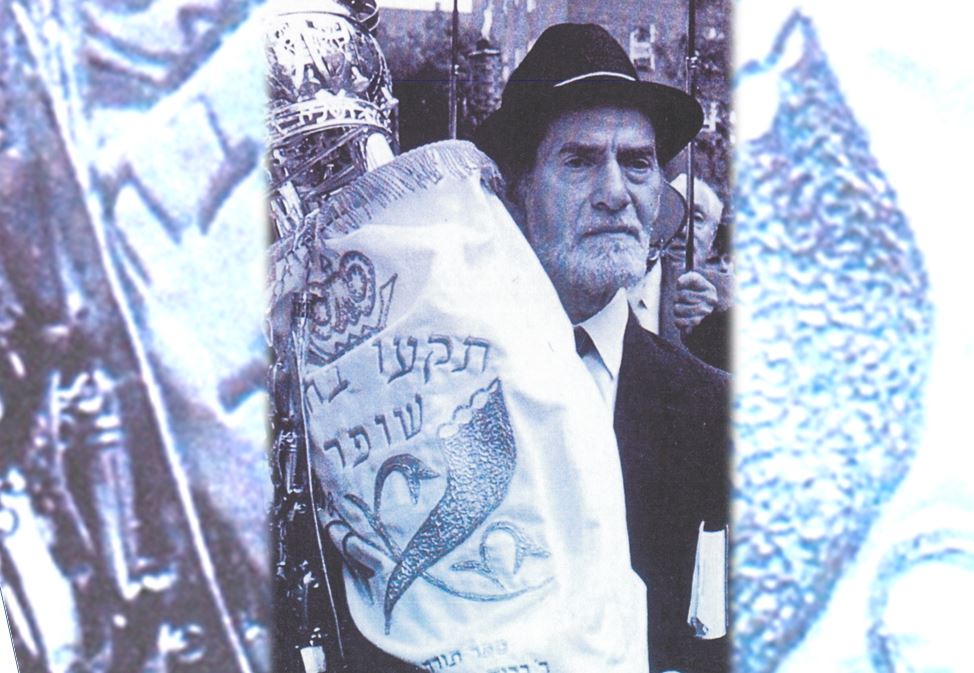
R. Joseph Grunblatt, whose 11th yahrzeit is observed this Shabbat, was a talmid hakham, teacher, intellectual, orator, spiritual guide, and communal leader. His successor as rabbi of Queens Jewish Center, Judah Kerbel, takes us on a tour of R. Grunblatt’s writings in the TRADITION Archives, highlighting his openness, thoughtfulness, independence, and courage.
December 19, 2024

Published by Tradition Online at December 19, 2024
R. Moshe Feinstein is known for his patriotic embrace of his adopted home in the United States. But Moshe Kurtz’s closer look presents a more nuanced and skeptical version of R. Feinstein’s positions on an array of issues, including his many reservations about American public policy, and the fundamental nature of non-Jewish society.
December 17, 2024

Published by Tradition Online at December 17, 2024
How can a rabbi instill hope and meaning even on a cancer ward? How does one learn how to really listen? Is it really possible to help people make sense of and even find meaning in their suffering? These and other weighty questions are addressed by Hanan Balk in his important book, “Wisdom from the House of Healing: Transformative Encounters of a Hospital Chaplain” (Ktav), reviewed by David Fine.
December 16, 2024

Published by Tradition Online at December 16, 2024
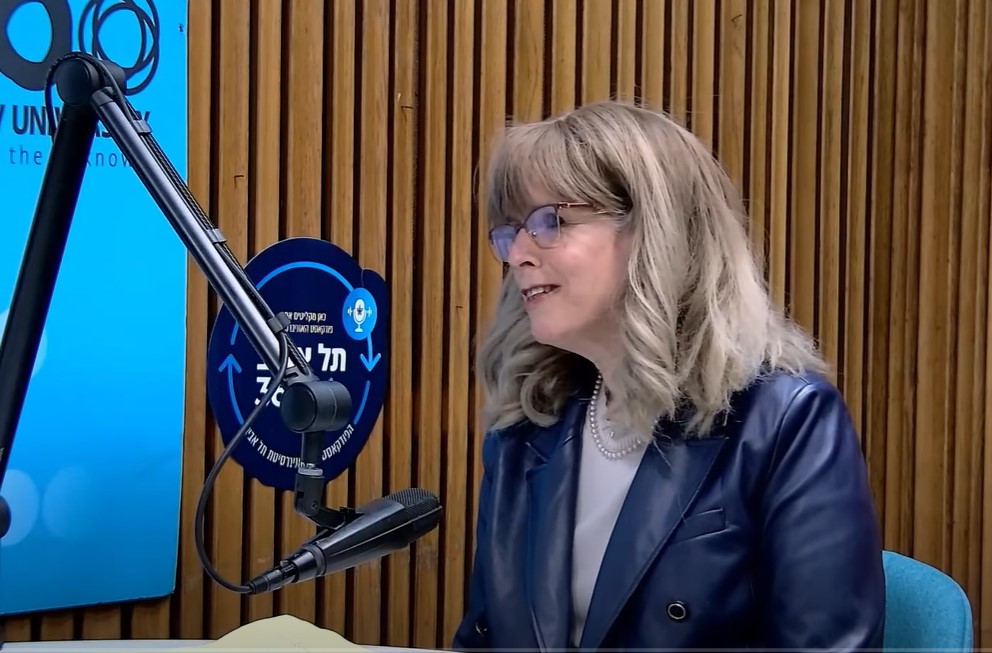
TRADITION’s Winter 2024 issue featured an essay by Dr. Aliza Bazak on “Shaming in Rabbinical Court Rulings in Israel: A Modern Commentary on Medieval Rabbinic Sanctions in Divorce Cases,” examining the mechanism of shaming as a tool to obligate recalcitrant husbands to grant their wives a divorce. She suggests that, as opposed to Jewish communities elsewhere, in Israel shaming is not an effective measure in obligating husbands to grant a divorce. Bazak was a guest on the “Medabrim Mishpatim” program to discuss her TRADITION essay. Watch now…
December 15, 2024

Published by Tradition Online at December 15, 2024
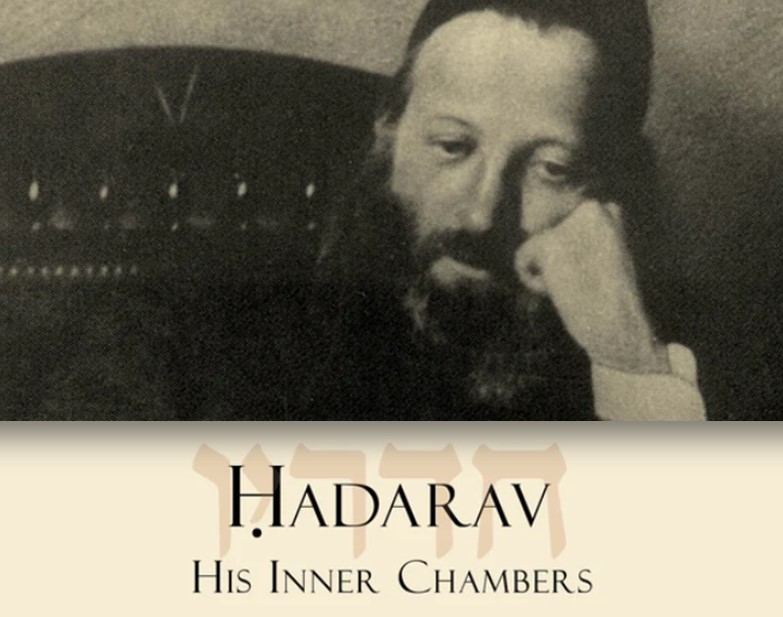
Rav Kook’s slim volume of personal mediations, “Hadarav,” was seen as groundbreaking and revolutionary when first published in 1998. The arrival of an English edition by Bezalel Naor (Maggid Books) is an occasion to examine trends in the thought and impact of Rav Kook, and the arrival of new posthumous publications by Rav Kook in the past quarter century. Zohar Maor profiles the new edition of “Hadarav” and considers transitions in Israeli society in the years since its first arrival.
December 13, 2024

Published by Tradition Online at December 13, 2024
It may come as a surprise that the Etrog is not native to the Land of Israel, but originated in Southeast Asia. How can we square our belief in the traditions of the Oral Law with the findings of history, botany, and agriculture that the Sukkot citron reached Eretz Yisrael only just prior to the Second Temple Era? Natan Slifkin offers an intriguing solution.
December 12, 2024

Published by Tradition Online at December 12, 2024
For generations, Jews did not buy German automobiles. While there was no halakhic basis for this taboo, it reflected a Jewish collective will. Chaim Strauchler questions the meaning of this practice, and what it says about extra-halakhic collective Jewish action.
December 10, 2024

Published by Tradition Online at December 10, 2024
Our thrice-daily prayers conclude with Alenu’s call-back to the eschatological hope that in the future: “God shall be One and his Name One.” This prophetic vision serves as the animating theme of a new collection of essays, “God Shall Be One: Reenvisioning Judaism’s Approach to Other Religions” (Ohr Torah Stone & Maggid Books). One chapter, authored by Yakov Nagen, originally appeared in TRADITION as “Sharing Torah with the World.” We are happy to re-share it with our readers as we draw attention to its place in this new book.
December 8, 2024





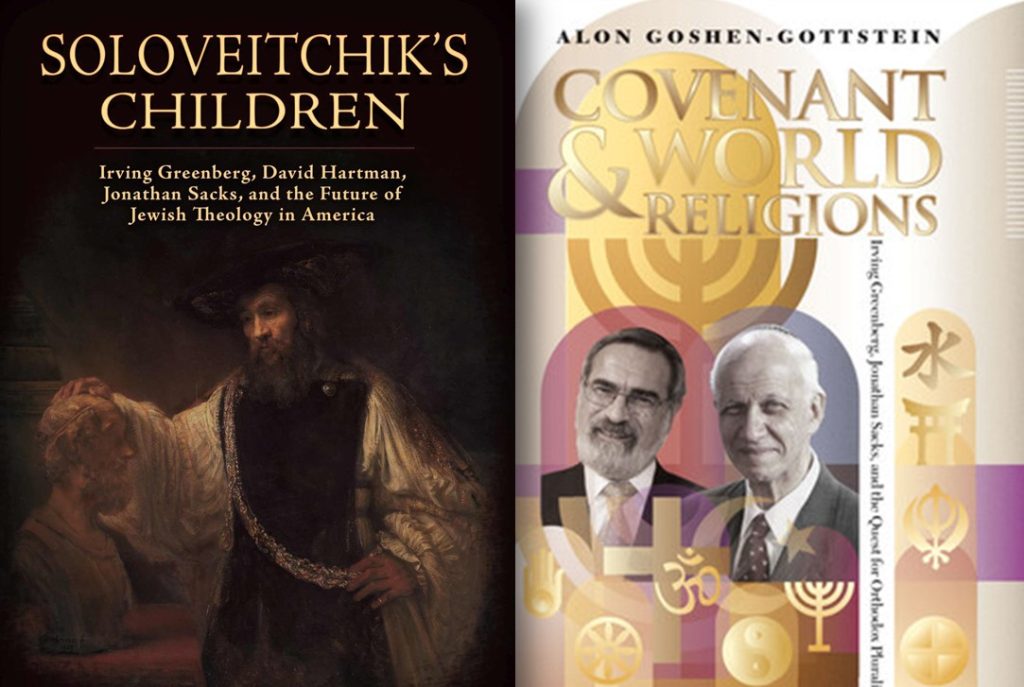
Published by Tradition Online at December 8, 2024
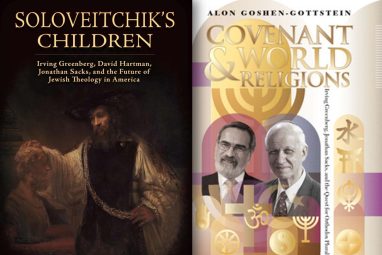
Rabbi Soloveitchik advocated for strict limits on interfaith dialogue. Two recent books explore this issue in the thought of rabbis who, though influenced by the Rav, engaged in and sought halakhic mandates for such dialogue. Eliezer Finkelman reviews how Daniel Ross Goodman’s “Soloveitchik’s Children: Irving Greenberg, David Hartman, Jonathan Sacks, and the Future of Jewish Theology in America” (Alabama UP) shows how his subjects broke with the Rav, each in his own way. Alon Goshen-Gottstein’s “Covenant & World Religions” (Littman Library), challenges Sacks and Greenberg both for their justification and the limitations of their openness to other faiths.